
Lorna Petrakis kept a tally on a yellow legal pad taped to the side of her refrigerator. Every time a submission opened with a character waking up, she added a mark. By the end of April she had sixty-one.
"I stopped being annoyed around forty," said Petrakis, a branch librarian in Dayton, Ohio, and one of the eighteen first readers for this year's RedSquibble Debut Prize. "After that it just became a kind of weather report. Somebody wakes up, the light comes through the blinds, the alarm goes off. I started rooting for the books that did it anyway and still got me."
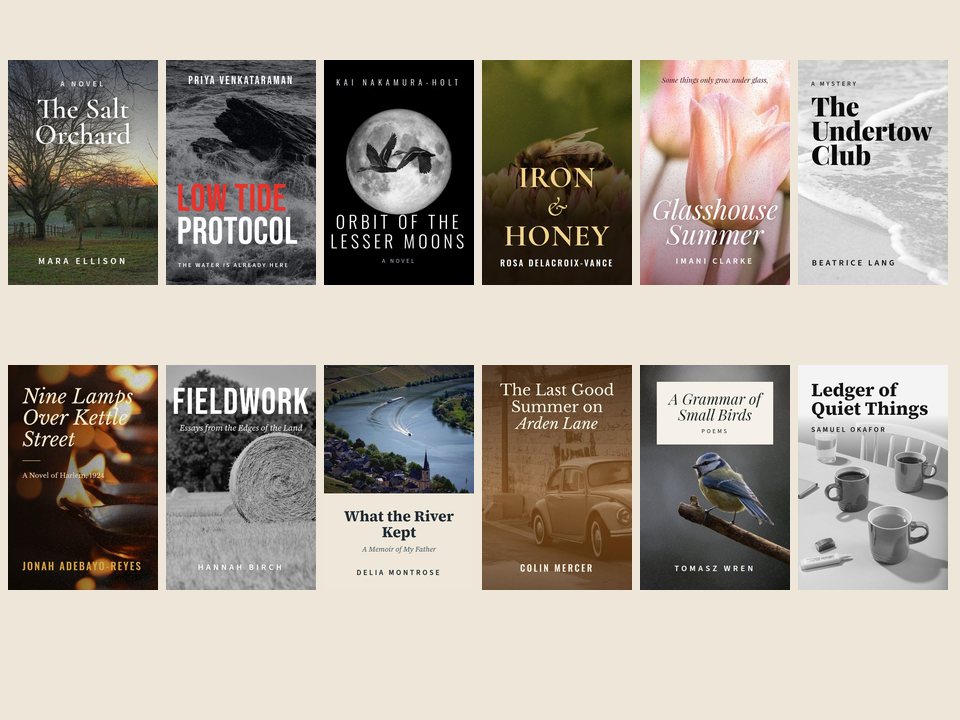
The first readers, booksellers, librarians and editors from around the country, spent the spring working through 1,140 submissions and narrowing them to sixty. Our three judges took it from there. Along the way, all of them kept notes, and many of those notes said the same things. We asked them to turn their margins into advice.
Five Lessons From the Pile
1. The first page is doing more work than you think.
Most first readers gave every book at least fifty pages. Very few books recovered from a slow first one. The problem was rarely bad writing. It was throat clearing, a page of setting or backstory before anything was at stake.
"You don't need a hook, exactly," Petrakis said. "You need a reason. Give me one detail that only your book could have, and I'll follow you for a long way."
The novels that made the shortlist mostly open inside a specific place with a specific problem. Frances Albright, one of the judges and a retired acquiring editor, said that was no accident. "When a writer knows exactly where the book starts, it usually means they know where it ends," she said.
2. Know what promise your book makes.
Desmond Farrell, a former acquisitions editor who now teaches publishing courses in Tucson, read more than a hundred genre submissions. His most common note, he said, was "undecided."
"A lot of books couldn't choose whether they were a thriller or a family saga, so they did both at half strength," Farrell said. "Genre is a promise to a reader. A mystery promises a fair solution. A romance promises the ending. You can bend those promises, but you have to know you're bending them."
The strongest genre books in the field, he said, kept their promise and then gave the reader something extra on top.
3. Your day job is material.
It is no coincidence that this year's shortlist includes a hydrologist, a CPA, a hospice nurse, a surveyor, a history teacher and a machinist. The judges noticed again and again that authority on the page came from authority off it.
"The books I trusted most were written by people who knew how something actually works," said Rafael Quintero, a judge and the author of The Winter Census. "How a pump fails. How a ledger balances. How a hedge is laid. You cannot fake that texture, and readers can smell it when you try."
Quintero added that plenty of writers seemed embarrassed by their jobs and wrote around them. "Write toward it," he said. "The thing you do all day is the thing you know better than anyone reading."
"The thing you do all day is the thing you know better than anyone reading."
4. The middle is where books are lost.
Farrell and several other first readers independently marked the same problem zone, roughly between pages one hundred and two hundred. Characters repeated conversations they had already had. Subplots appeared, idled and vanished.
"Most manuscripts were twenty percent too long, and almost all the extra was in the middle," Farrell said. "Writers revise their openings obsessively and their middles hardly at all."
Wendell Osei, a judge who has owned Crooked Stair Books in Burlington, Vermont, for twenty-two years, offered a bookseller's test. "Ask yourself what a customer would tell a friend happens in your middle," he said. "If the honest answer is 'things continue,' cut until it isn't."
5. Treat the physical book as part of the writing.
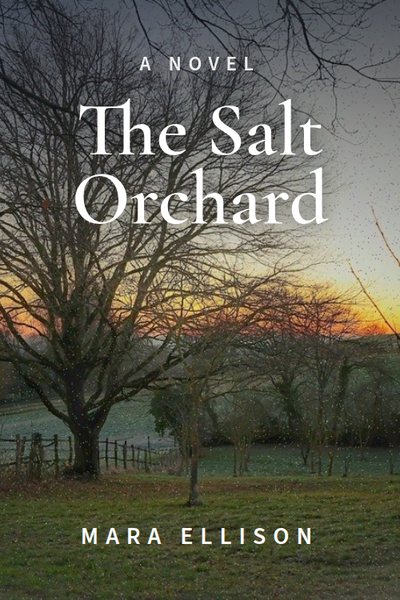
This lesson came mostly from self-published and very small press submissions, which made up a large share of the field. Some were beautifully produced. Others had typos on the first page, cramped margins or covers that told a reader nothing about what was inside.
"I want to be clear that we read everything fairly," Petrakis said. "But a reader is a reader. When I hit three typos in a paragraph, some part of me stopped trusting the author, and I had to work to switch it back on."
Osei pointed to the self-published memoir on this year's longlist, which sold thousands of copies through a single book club and word of mouth. "That book looks like it belongs on my front table," he said. "Someone cared about the paper and the type and the cover photograph. That care told me the words would be looked after too."
Before You Send It
None of the first readers claimed to have found a formula. Several said the books they loved best broke at least one of these rules. What they shared was a sense that most debuts are closer to working than their authors believe, and that the last round of revision is usually the one writers skip.
"Read your book aloud, all of it, before anyone else sees it," Albright said. "Your ear will catch what your eye has forgiven a hundred times."
Petrakis took down her legal pad in May. The final tally stayed at sixty-one. She said she has kept it, folded in a drawer, as a reminder that each of those marks was somebody's first page, written by someone who hoped a stranger would keep going.
The winner of the 2026 RedSquibble Debut Prize will be announced October 30.
Books editor. Noor runs RedSquibble's reviews and interviews and chairs the process that produces the annual Debut Shortlist.