At 4 a.m. the break room on the second floor of the Tenney Harbor hospice house is the quietest room in the building. The vending machine hums. The coffee maker, a twelve-cup model with a cracked carafe nobody has replaced since 2019, keeps half an inch of something dark warming on its plate. There is one window. It faces the harbor, and in winter it shows nothing but the reflection of whoever is sitting at the table.
For eleven years, the person at the table was usually Mara Ellison.
"I wrote most of it at four in the morning, in a break room that smelled like burnt coffee and lavender lotion," Ellison said. "The book still smells like that to me."
The book is The Salt Orchard, her first novel, published September 8 by Harbor Light Press. It runs 336 pages. Forty literary agents turned it down. It is now the RedSquibble Debut of the Month, a title on the 2026 RedSquibble Debut Shortlist, and the kind of book people buy two copies of because they already know who the second one is for.
Twenty minutes at a time
Ellison, 47, has worked nights as a hospice nurse in coastal Maine for most of her adult life. The shift runs from 7 p.m. to 7 a.m. The hours between 3 and 5 are usually the stillest, she said, after the late medications and before the families begin to call.
"You learn the rhythm of a building," she said. "There's a window where everyone who's going to sleep is asleep. I'd get twenty minutes. Sometimes forty. Sometimes a call light went on after four sentences and that was the night."
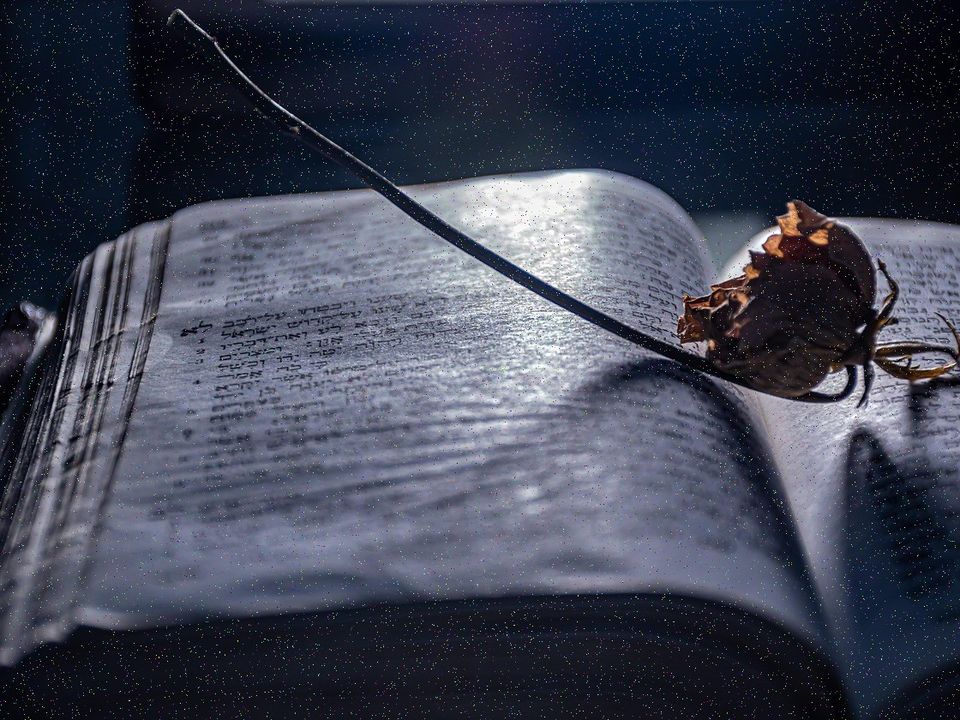
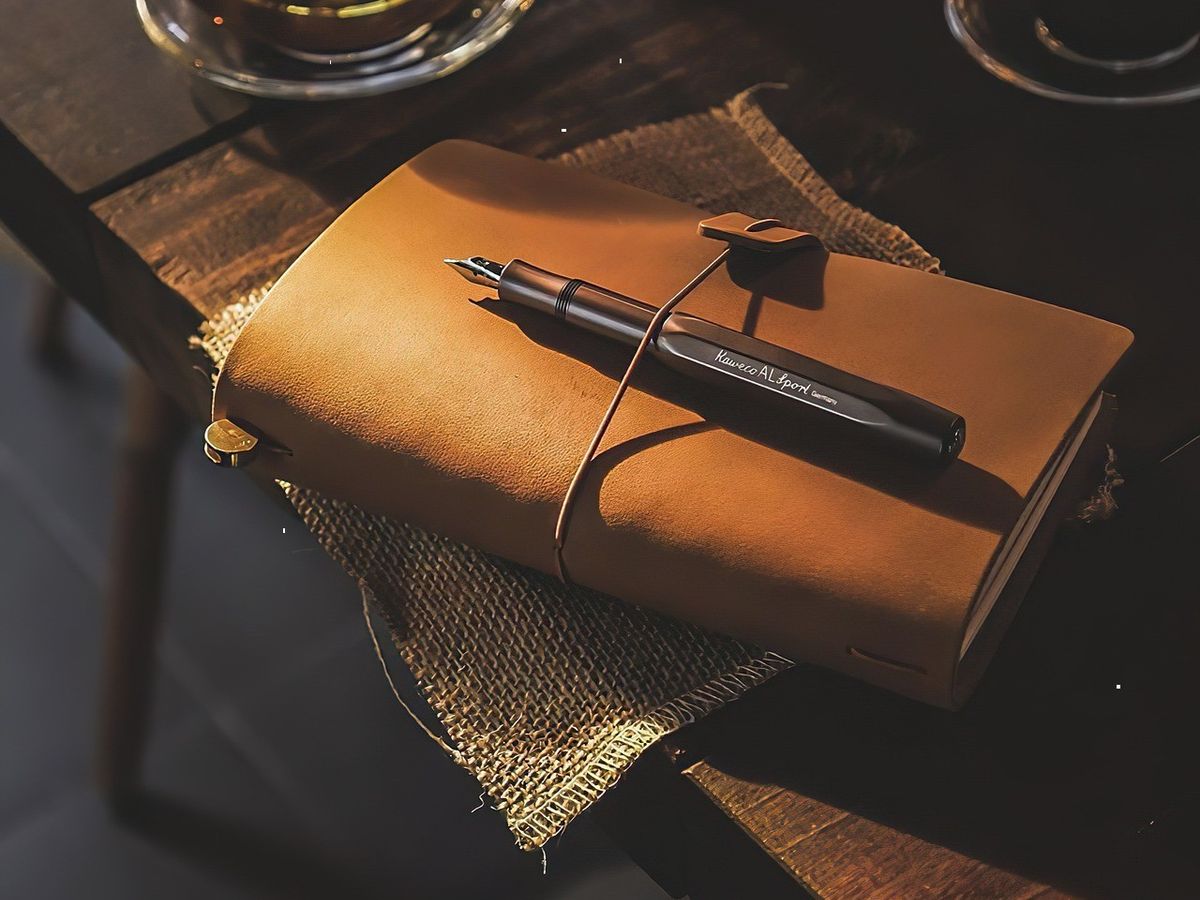
She wrote in longhand first, in composition notebooks she bought in packs of five at the pharmacy on Front Street. She kept them in her locker next to a tube of lavender hand lotion, the kind the unit stocks for patients whose skin has grown thin. By the time she finished a full draft she had filled thirty-one notebooks. She typed them up on her days off at her kitchen table, which is also where she did most of her cutting.
Her colleagues knew she was writing something. Few knew what. "She'd close the notebook when you came in, very politely," said Dot Farrow, a nursing assistant who has worked alongside Ellison for nine years. "Not secretive exactly. More like she was protecting a candle from a draft."
Forty passes and one afternoon
Ellison began querying agents in 2023. She kept a spreadsheet, and she still has it. It has forty rows, and every row ends in the same column with the same word.
Some rejections were form letters. A few were kind. One agent called the prose "gorgeous and very quiet," which Ellison read at the time as a compliment and later understood was the reason for the no.
"I was never angry about it," she said. "I've sat with a lot of people at the end of their lives. You get a sense of proportion. Forty strangers not wanting my book was not the worst thing that happened to anyone that week."
In the spring of 2025 she tried something different. Harbor Light Press, a small literary house that reads unagented submissions for two weeks each year, opened its window. Ellison sent the first fifty pages on a Tuesday morning after a shift, then went home and slept.
Ruth Adair, an editor at Harbor Light, read the pages that afternoon and asked for the full manuscript by email. Ellison sent it within the hour. Adair called her before dinner.
"I read it in one sitting, which I almost never do anymore," Adair said. "By the third chapter I knew I was going to acquire it. By the end I was mostly worried that someone else had already found it."
Nobody had. The offer was modest, Ellison said, and she accepted it the next morning. Adair's edits took most of a year. The largest change was cutting a fourth sister, a character Ellison had carried since the first notebook. "Ruth was right," Ellison said. "She was a lovely person. She just didn't have anything to do."
Three sisters and the sea
The Salt Orchard follows the Pell sisters, Hannah, June and Tess, who come home to their family's apple orchard on the Maine coast for one last harvest. The sea has been seeping into the ground for years. The trees nearest the water have started to fail, and the ones farther up the slope have begun to taste of salt. Their mother, who kept the orchard's records for four decades, has stopped keeping anything at all. Over one autumn the sisters pick, argue, empty the house room by room, and try to decide what can be saved.
The final chapter takes place over a single night in October. It is quiet. Nothing explodes. Readers have written to Ellison to say they went back and read it twice, and several booksellers have started warning customers not to finish the book in public.
Ellison will not describe the ending. She will say only that she wrote it in one shift, in 2021, and did not change a word of it through years of revision.
"I knew how it ended before I knew anything else. Everything I wrote after that was just learning how to deserve the last page."
Passed hand to hand
Harbor Light printed 12,000 copies and has since gone back to press twice. Much of the momentum, according to Adair, has come from readers pressing the book on someone else.
At Seawall Books in Tenney Harbor, owner Graham Ostrow keeps a stack by the register under a handwritten card that reads "Buy one. Then buy another." He has sold more than 400 copies since publication day, in a town of about 3,800 people. "Half the nursing staff in the county has been in here," he said. "They buy it for each other."
The novel has found a particular readership among caregivers, hospice workers and anyone who has spent a long night at a bedside. Ellison has received letters from nurses in Oregon, Ontario and New Zealand. She answers all of them, she said, usually at 4 a.m.
What comes next
Ellison has not left her job. She took two weeks of vacation for the book's release and was back on the unit the following Tuesday. She has no plans to change that.
"People ask if I'm going to write full time now," she said. "I don't know who I'd be without the night shift. The work is where the writing comes from."
She has started a second novel, set on a lobster boat in the 1970s, and has filled four notebooks so far. Adair has read none of it. Ellison says that is on purpose.
"I'd like the next one to take fewer than eleven years," she said, laughing. "But I said that about this one too."
On a recent Thursday, near the end of her shift, the break room was empty. The coffee had burned again. Someone had left the lavender lotion uncapped on the counter. Ellison closed it, poured what was left in the carafe down the sink, and started a fresh pot for the day nurses.
The Salt Orchard by Mara Ellison (Harbor Light Press, 336 pages, $27) is out now.
Senior writer. Julian profiles debut novelists and the lives they write around. He spent a decade as a features reporter at newspapers across New England.