
Frances Albright joined the call from her dining room in Chicago with a gray cat asleep on her notes. Wendell Osei was upstairs at Crooked Stair Books in Burlington, Vermont, in the room at the top of the leaning staircase where he shelves nothing but first books. Rafael Quintero came on last, from a rented office where, he said, the only furniture is a desk, a chair and the draft of his second novel, which he refuses to look at before noon.
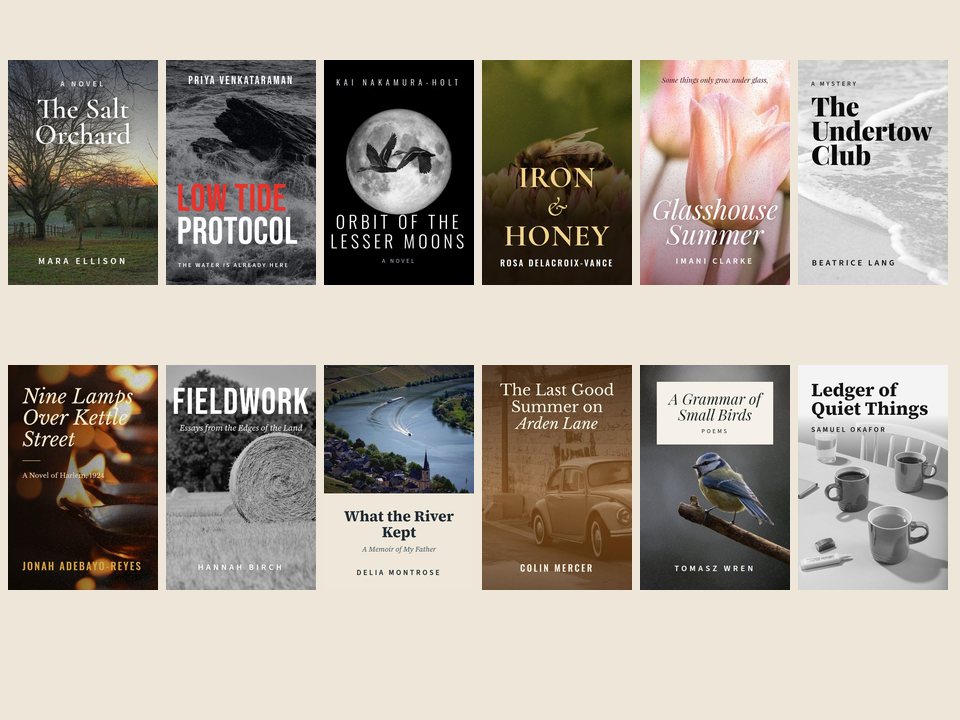
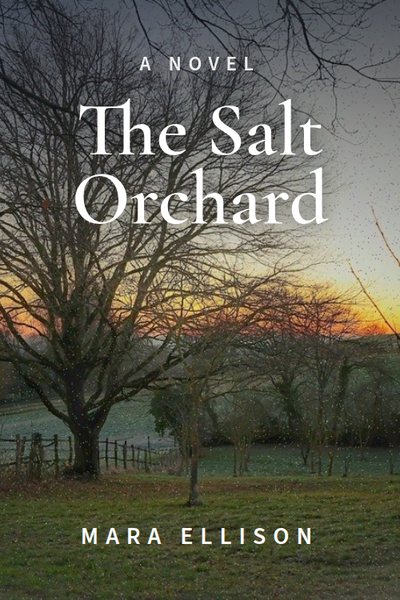
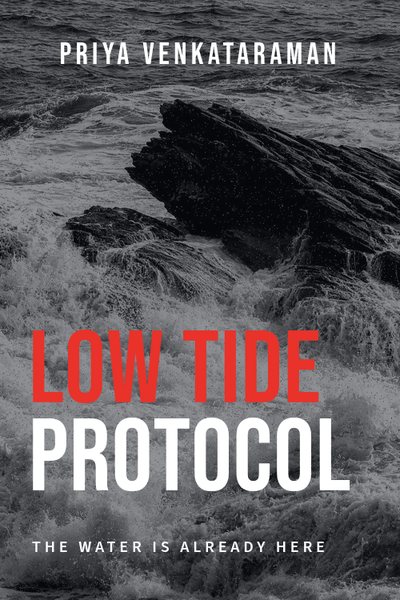
Since June these three have read the same sixty debuts, the finalists of a field of 1,140 submissions sorted by eighteen first readers. They chose a longlist of twelve, then the six books on the shortlist for the first RedSquibble Debut Prize. They meet again in October, and the winner will be announced October 30. Before that, we asked them how the reading went and what they argued about. The conversation has been edited for length and clarity.
Sixty Books in One Summer
How do three people read sixty books in a summer?
Wendell Osei Slowly, then all at once. I read in the store from seven to nine, before we open, and again after close. My staff started leaving sticky notes on whatever I was carrying around. "Is this one good?" "Can we order it yet?" I was not allowed to answer, which nearly killed me.
Frances Albright I read the way I did when I was acquiring. First fifty pages at the kitchen table with a pen. If the book earned it, I moved to the armchair and read the rest without the pen. By July, the armchair had a very clear idea of which books were winning.
Rafael Quintero I kept a notebook with one page for each book. Title at the top, then whatever I felt at page fifty, at page one hundred fifty, and at the end. A few pages are full on both sides, which is how I knew.
Every book reached you through the first readers. Did you trust the sixty you were handed?
Frances Albright Completely, and I did not expect to. Eighteen readers is a lot of taste to average out. I assumed we would get sixty safe books. Instead we got a memoir printed in a run of three hundred, a slim poetry collection and a fantasy with a four-page glossary. Somebody in that first round was willing to take a risk, and I would like to buy that person lunch.
Wendell Osei Booksellers and librarians were in that group. They hear what readers actually ask for at the counter, which is often not what the industry thinks they want. You could feel that in the sixty.
What a First Book Can Do
Is there something a debut can do that a later book usually can't?
Rafael Quintero A first book doesn't know the rules yet, or it knows them and hasn't been punished for breaking them. My own debut had a chapter told entirely in census forms. Nobody would let me do that now, and I would let myself do it even less. The best books on our list have that unguarded quality. They were written by people who did not know they were allowed to stop.
Frances Albright Time. Most debuts carry years in them. Eleven years, six years, four years in an archive. You can feel the weight of all those mornings. A second book is usually written against a deadline, and it reads that way, even when it's good.
Wendell Osei And a first book has no reputation to lean on. It has to win you on the page, with no famous name on the spine doing any of the work. That is the kind of book I trust most.
"It has to win you on the page, with no famous name on the spine doing any of the work."
The Arguments
How often did you disagree?
Frances Albright Every session. Our shortest meeting ran three hours.
Wendell Osei The longest was a Saturday in August that started at ten in the morning. We ordered lunch and then dinner from the same Thai place, and the driver asked on his second trip whether we were a jury.
Rafael Quintero The arguments were the best part. When Frances disagreed with me she would read a paragraph aloud and ask me to defend it one sentence at a time. Sometimes I could. When I couldn't, I learned something about the book, and usually something about my own writing too.
Was there a book each of you had to let go?
Rafael Quintero Yes, and I'm still sore about it. I won't name it here, because the other two would say I'm lobbying.
Frances Albright We all had one. That is how you know a list is honest. If nobody leaves the room unhappy, you chose the books everybody could tolerate, and nobody should read a book because three people could tolerate it.
Wendell Osei Mine made the longlist, and I will hand-sell it in this store until I retire. Missing a shortlist is not a verdict on a book. It is a verdict on one afternoon.
Looking Toward October 30
Rafael, two years ago you were the debut author waiting on readers. What was it like to be on this side?
Rafael Quintero Humbling, and a little frightening. I know what it is to refresh your email for a week straight. Every time I put a book down at page fifty, I thought about the person who wrote it at five in the morning. I tried to give each one the reading I wanted for my own book. I did not always manage it.
How will you choose the winner?
Wendell Osei We each reread all six. Then we sit down in October and argue until one book is left standing.
Frances Albright I have already reread two of them. I am not telling you which.
Rafael Quintero I think the winner will be the book that holds up best on the third read. The words don't change, obviously. What changes is whether I still believe them.
Osei had to leave before we finished. A customer was climbing the crooked staircase with a question about one of the finalists. He told her he could not discuss it until the end of October, then walked her to the shelf anyway.
The winner of the 2026 RedSquibble Debut Prize will be announced October 30.
Books editor. Noor runs RedSquibble's reviews and interviews and chairs the process that produces the annual Debut Shortlist.